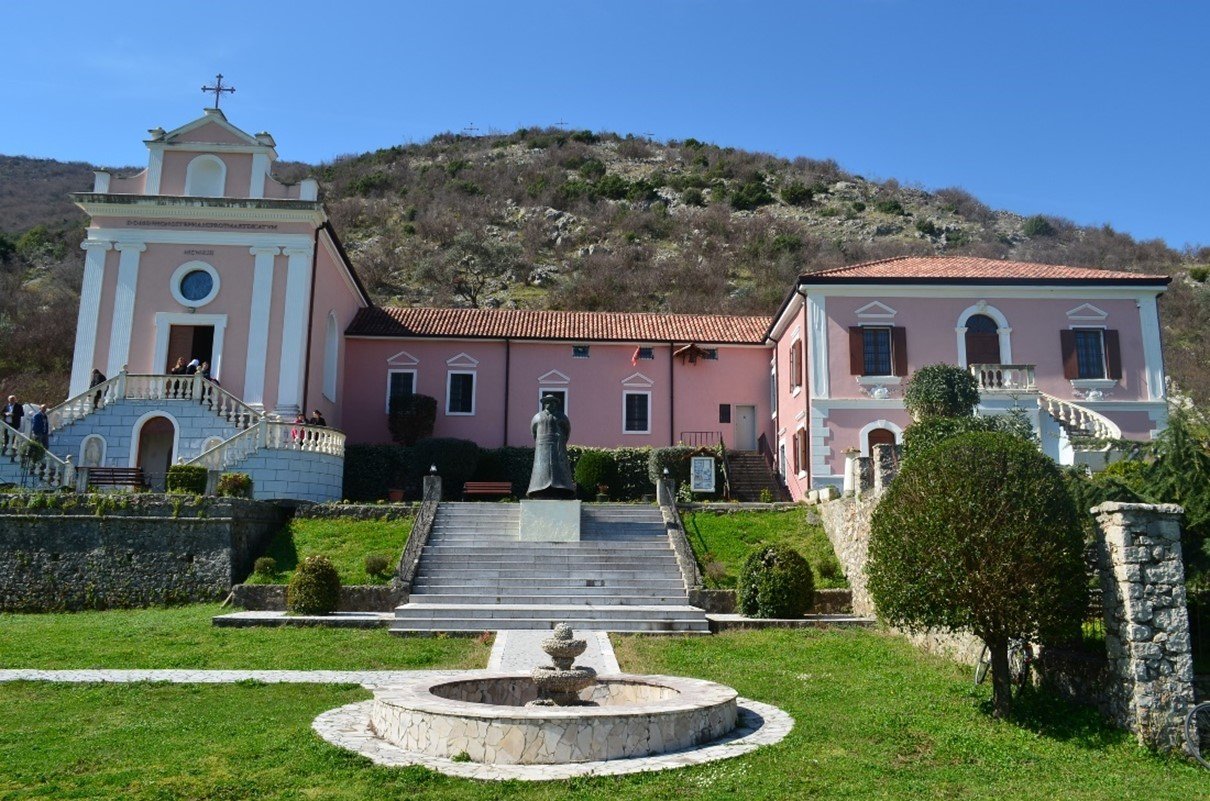

Located in a favorable geographical position, close to trade routes, the island of Shurdhah begins to be inhabited since the 4th century, a period to which belong ceramics and other objects found from archaeological excavations, but it begins to take on the character of a residential center in the early Middle Ages, in the VI-VIII centuries and is related to the flourishing of the Komani culture that is from the same period.
Thanks to its position, it knows a continuous demographic, economic, cultural and religious development. In the 9th-12th centuries it was the center of the bishopric, being transferred here from Koman, culminating in the 12th-13th centuries, when it became an important center of the region. In this period, two parts of the city were also built, the lower part was inhabited the poor and lower middle classes and in the upper part of the hill, the ruling class of the city.
It was for a long time under the rule of the powerful feudal family of Dukagjin and it is thought that they also had their residence here in different periods. The city is conquered by the Ottomans in 1491 and will be totally destroyed never to recover.
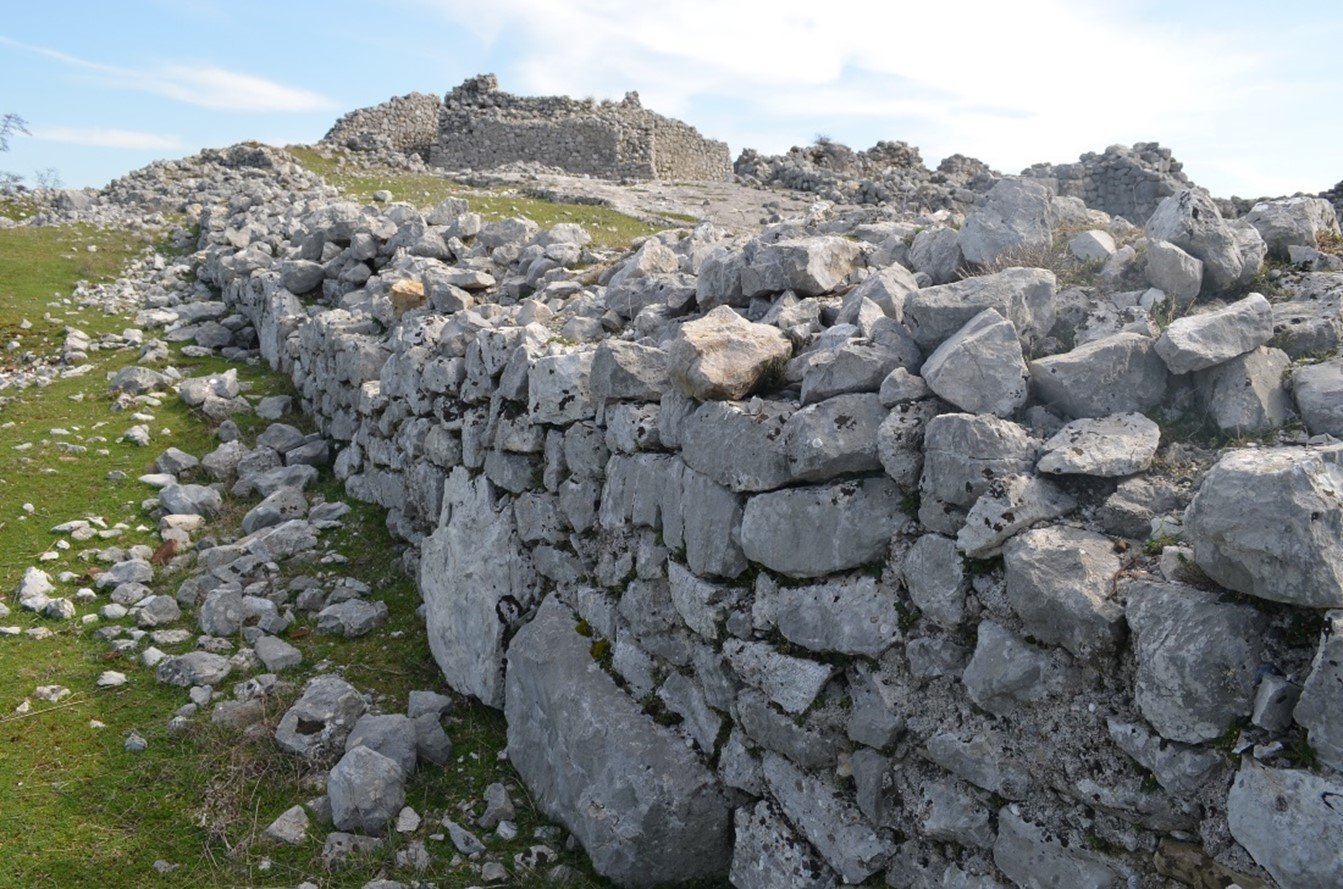
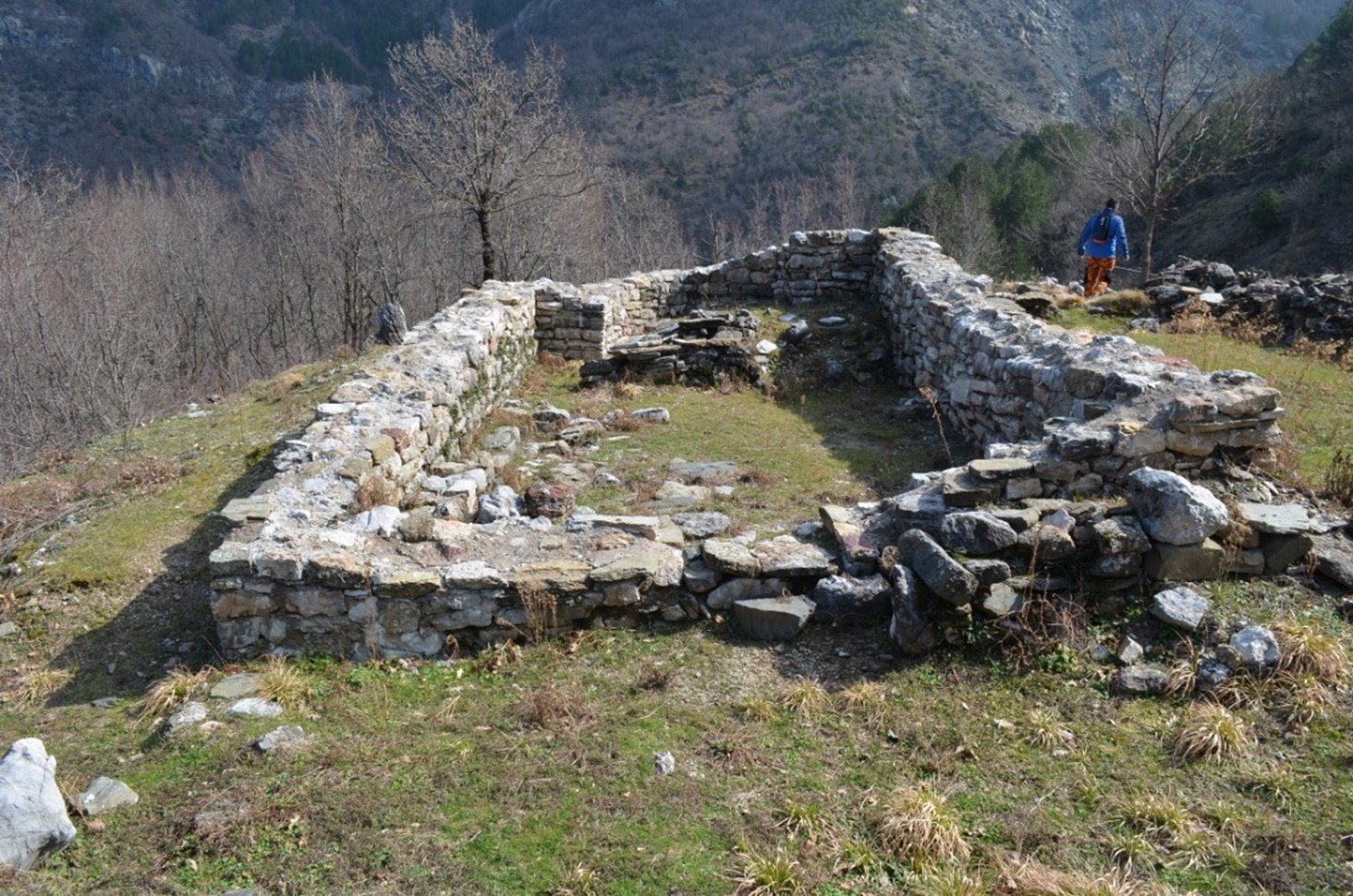
The residential center has an area of about 5 ha, while the island itself reaches 7.5 ha. The city was surrounded by two defensive lines (walls) equipped with 12 towers. Within this space were dwellings, churches, shops and a medieval residence. The city at that time was located on the peninsula, which turned into an island with the construction of the Vau i Dejës hydropower plant. Due to the formation of the lake with the same name, a good part of the remains of Sarda was also flooded.
It is said that the city had 365 altars as many days as there are in the year and here the bells were rung every day in honor of different saints of Catholic Church. With the destruction and abandonment of the city, it turned into a deaf place and the inhabitants began to call it Shurdhah, which means in Albanian deaf place.